Overland Park: 913-444-9365

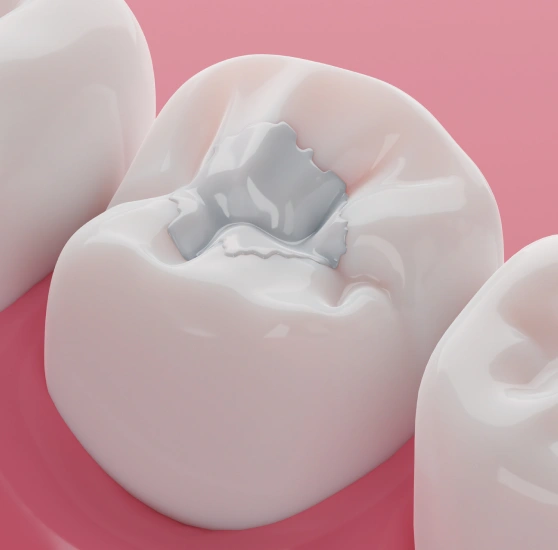
A Seamless Solution for Repairing Damaged Teeth
Tooth decay is a common oral health concern, and addressing it promptly can prevent more extensive treatment later. Years ago, repairing a cavity often meant using a highly visible metal filling. Today, composite fillings provide a more aesthetic alternative. Crafted from tooth-colored resin, they restore damaged teeth while blending naturally with your smile.
At Petal Dental, Dr. Yashoni Shah uses composite fillings to repair cavities while preserving the appearance of your teeth. These metal-free restorations bond securely to the tooth structure, provide lasting support, and are carefully matched to your natural tooth color for a seamless result.
What Are Composite Fillings?
A composite filling is a tooth-colored restoration used to repair teeth affected by cavities, small fractures, or minor wear and damage. Once any decay is removed, the filling material is placed, sculpted, and cured to rebuild the tooth’s shape, strength, and function.
Unlike traditional silver fillings, composite fillings are mercury-free and adhere directly to the tooth surface. This secure bond allows Dr. Shah to conserve more healthy tooth structure while providing a restoration that is durable, natural-looking, and difficult to detect.
Why Patients Prefer Composite Fillings
Composite fillings are a popular restorative option because they offer both functional and cosmetic benefits. Some of the key advantages include:
- A seamless appearance, with material carefully matched to your natural tooth color
- A metal-free restoration that contains no mercury
- A minimally invasive treatment that preserves more healthy tooth structure
- A secure bond to the tooth for added strength and durability
- Versatility for treating cavities, minor chips, and small cracks
- Reduced concerns about expansion and contraction associated with metal fillings
How We Place a Composite Filling
Receiving a composite filling is a quick and comfortable process that can typically be completed in just one appointment. In most cases, treatment takes only a short visit, allowing you to return to your usual activities immediately afterward.
1
Gentle Numbing
Dr. Shah will gently numb the treatment area to ensure you remain comfortable and relaxed throughout the procedure.
2
Removing the Decay
Any damaged or decayed tooth structure is carefully removed while preserving as much healthy tooth material as possible.
3
Preparing the Tooth
The tooth is thoroughly cleaned and conditioned to create a strong, reliable bond between the composite material and the natural tooth structure.
4
Applying the Composite
The composite material is carefully applied in layers and sculpted to recreate the natural shape and appearance of your tooth.
5
Hardening and Polishing
Each layer is cured with a special light, after which the restoration is refined to ensure a comfortable bite and polished for a smooth, natural finish.
Signs You May Need a Filling
Because tooth decay does not always produce noticeable symptoms right away, routine dental exams are essential for early detection. However, you may benefit from a filling if you experience:
- Persistent tooth pain or discomfort
- Sensitivity when consuming hot, cold, or sugary foods and beverages
- A visible cavity, discoloration, or small hole in a tooth
- A chipped, rough, or uneven area that you can feel with your tongue
- Food repeatedly becoming trapped in the same location
- An old filling that appears worn, loose, or damaged
If any of these signs sound familiar, a dental evaluation is a good idea. Treating decay in its early stages often results in a quicker, easier, and more conservative restoration.
Repair Your Tooth and Preserve Your Smile
A cavity will not heal without treatment, and delaying care can allow the damage to progress. Composite fillings provide a durable, tooth-colored solution that restores the strength and function of your tooth while maintaining a natural appearance. If you think you may have a cavity, our team is ready to provide the care you need to protect your smile.