Overland Park: 913-444-9365
Losing a tooth — or several — changes more than your smile. It changes how you eat, speak, and feel about yourself. If you are weighing your options in Overland Park, KS, the comparison of dental implants vs. dentures is one of the most important decisions you will make for your long-term health. At Petal Dental, Dr. Yashoni Shah works with patients every day to find the right fit for their lifestyle, goals, and oral health.
This guide breaks down both options clearly. By the end, you should have a much better sense of which path suits your situation.
Understanding Dental Implants vs. Dentures in Overland Park
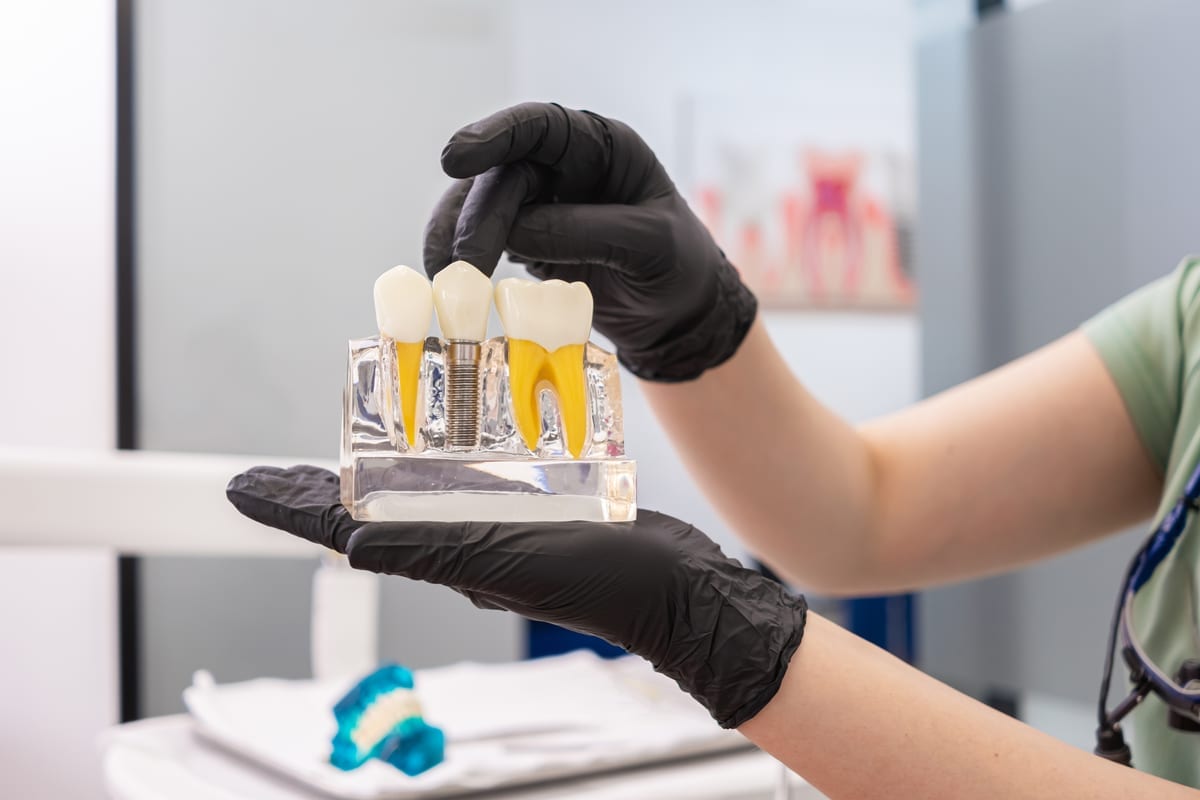
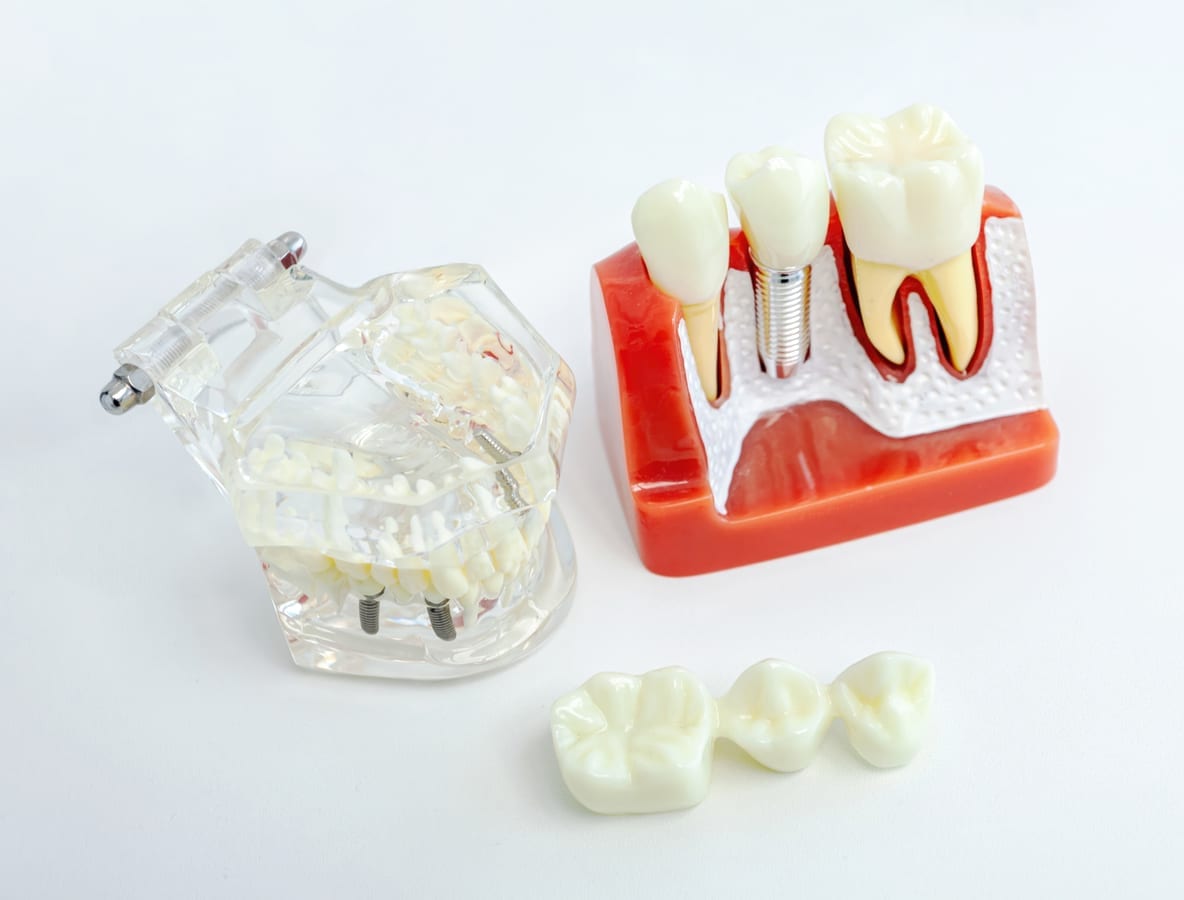
Dental implants are titanium posts surgically placed into your jawbone. They act as artificial tooth roots. A crown is then attached on top, creating a restoration that looks and functions like a natural tooth.
Dentures, on the other hand, are removable appliances. They rest on your gums and replace multiple missing teeth at once. Full dentures replace an entire arch. Partial dentures fill gaps when some natural teeth remain.
Both options solve the same core problem — replacing missing teeth. But they do so in very different ways. Understanding those differences helps you make a confident, informed choice.
How Each Option Feels Day to Day
Daily comfort is one of the biggest deciding factors for most patients. Dental implants feel permanent because they are. You brush and floss them just like natural teeth. There are no adhesives, no removal, and no soaking overnight.
Dentures require more daily maintenance. You remove them at night, clean them separately, and use adhesive paste to keep them secure. Some patients adjust to dentures quickly. Others find the process takes longer.
Here is a quick comparison of daily experience:
- Implants: Fixed in place, no removal needed, brushed like real teeth
- Implants: No dietary restrictions once healed
- Dentures: Removed nightly for cleaning and soaking
- Dentures: Adhesives often needed for a secure fit
- Dentures: Some hard or sticky foods may be difficult to eat
For active Overland Park residents who want minimal interruption to daily life, implants often feel like the more seamless solution. For patients who prefer a non-surgical approach, dentures provide meaningful restoration without going under the knife.
Long-Term Health Impact: What Most Patients Do Not Realize
Here is something many patients do not hear enough about — bone loss. When you lose a tooth, the jawbone beneath it starts to shrink. This happens because there is no longer a root stimulating the bone. Over time, bone loss can change the shape of your face.
Dental implants prevent this process. The titanium post stimulates the jaw just like a natural root. Bone stays strong and dense around the implant site.
Dentures do not prevent bone loss. In fact, over years of wear, bone loss can cause dentures to fit less securely. This may require periodic adjustments or replacements.
Consider these long-term health points:
- Implants preserve jawbone density over time
- Implants can last 20+ years with proper care
- Dentures typically need replacement every 5–8 years
- Bone loss from denture wear can affect facial structure
- Implants support adjacent teeth by keeping spacing intact
For younger patients or those who want the most durable, health-preserving solution, implants offer significant advantages over time.
Who Is a Good Candidate for Each Option?
Not everyone qualifies for dental implants right away. Good candidates typically have adequate jawbone density, healthy gums, and no uncontrolled systemic conditions. Patients who smoke or have certain medical conditions may need additional evaluation before proceeding.
If bone loss has already occurred, bone grafting may be needed first. This adds time to the process but often makes implants possible for patients who were initially told they did not qualify.
Dentures are accessible to a wider range of patients. They do not require surgery, making them suitable for patients who cannot undergo or prefer to avoid implant surgery. They also work well when many or all teeth are missing in one arch.
Dr. Yashoni Shah evaluates each patient individually at Petal Dental. A thorough exam — including digital X-rays — gives a full picture of bone levels, gum health, and overall oral condition. This is how a truly personalized recommendation gets made.
Cost, Timeline, and Commitment: Setting Realistic Expectations
Dental implants involve a longer process. From the initial consultation to the final crown, the full treatment can take several months. This timeline allows for healing at each stage. Patients who plan ahead find the process very manageable.
Dentures can often be completed in fewer appointments over a shorter period. For patients who need tooth replacement sooner, this makes dentures a practical option.
In terms of long-term value, implants typically require less ongoing maintenance and fewer replacements over a lifetime. Dentures have lower upfront investment but may accumulate more cost over the years through adjustments, relining, and eventual replacement.
It is also worth noting that other restoration options exist. Dental bridges, for example, use adjacent teeth for support and do not require surgery. Your dentist can walk you through how bridges compare as well during your consultation.
Conclusion: The Right Choice Starts With the Right Conversation
There is no single right answer when comparing dental implants vs. dentures for every patient in Overland Park. The best choice depends on your health, your goals, your timeline, and your preferences. What matters most is that you get accurate information from a provider who listens.
At Petal Dental, Dr. Yashoni Shah takes time to understand each patient’s unique situation. Whether you are leaning toward implants, dentures, or still weighing your options, a consultation gives you the clarity to move forward confidently.
Ready to figure out which option fits your life? Book Now to schedule your appointment with our team.
Frequently Asked Questions
How long do dental implants last compared to dentures?
Dental implants can last 20 years or more with proper care and regular dental visits. Dentures typically need to be replaced every 5 to 8 years as the shape of your jaw changes over time.
Is the dental implant process painful?
Most patients report that the procedure is more comfortable than they expected. Local anesthesia is used during surgery, and any post-procedure discomfort is usually manageable with over-the-counter pain relief. Dr. Shah discusses what to expect at every stage before treatment begins.
Can I get dental implants if I have had dentures for years?
Possibly, yes — but bone loss from long-term denture wear needs to be assessed first. If bone density is insufficient, a bone graft may be recommended before implant placement. A thorough exam and digital X-rays at Petal Dental will give a clear picture of your options.
What if I only have a few missing teeth? Do I need full dentures or implants?
If only a few teeth are missing, partial dentures or individual implants may be appropriate options. Dental bridges are also worth discussing. Dr. Yashoni Shah will evaluate your specific situation and recommend the most suitable approach for your needs.
Does Petal Dental offer other services that support long-term oral health?
Yes. Petal Dental provides a full range of general and preventive services in Overland Park, KS. If a dental issue arises suddenly, Emergency Dentistry Overland Park is also available. For patients interested in teeth alignment alongside tooth replacement planning, Invisalign Overland Park is another service Dr. Shah offers to support comprehensive smile care.