Overland Park: 913-444-9365
Most people in Lenexa brush their teeth every single day. Yet many still develop cavities, gum problems, or premature sealant wear. If you’ve ever wondered why your brushing technique might be sabotaging your dental sealants in Lenexa, you’re not alone. At Petal Dental, Dr. Yashoni Shah sees this pattern regularly — and the good news is, it’s completely fixable.
What Dental Sealants Are and Why Technique Matters in Lenexa
Dental sealants are thin protective coatings applied to the chewing surfaces of back teeth. They act as a barrier against bacteria and food particles that cause decay. Most patients assume sealants are maintenance-free. That assumption is one of the most common mistakes we see.
Sealants are durable, but they’re not indestructible. Aggressive brushing, the wrong toothbrush, and poor timing can all chip or wear away the sealant material. Once a sealant is compromised, bacteria can sneak underneath — making the tooth more vulnerable than before.
Understanding how your daily habits interact with your sealants is essential. The right technique protects your investment and keeps your teeth healthy long-term. The wrong technique quietly undoes the work done at your dental visit.
The Biggest Brushing Mistakes That Damage Dental Sealants
Most brushing errors fall into a few predictable categories. Here’s what Dr. Shah’s patients most commonly get wrong:
- Brushing too hard: Scrubbing with heavy pressure wears away sealant material over time. Your gums and enamel also suffer.
- Using a hard-bristled toothbrush: Hard bristles are abrasive against sealant coatings. Always choose soft or extra-soft bristles.
- Brushing in horizontal strokes only: This misses the grooves where sealants sit and where bacteria love to hide.
- Brushing immediately after eating acidic foods: Acid temporarily softens enamel and sealant material. Wait at least 30 minutes after eating.
- Brushing for less than two minutes: Short sessions leave plaque behind, especially on sealed back teeth.
- Skipping the back molars entirely: These are the teeth sealants protect most — yet they’re the easiest to rush past.
Each of these mistakes seems minor on its own. Combined over months and years, they significantly shorten the lifespan of your sealants. They also increase your risk of needing more extensive dental treatment later.
The Correct Technique to Protect Your Sealants
Switching to the right brushing method is simpler than most people expect. You don’t need a new product or a complicated routine. You need consistent, gentle, thorough technique.
Start with a soft-bristled toothbrush. Electric toothbrushes with pressure sensors are excellent for patients who tend to brush too aggressively. Hold the brush at a 45-degree angle to your gum line. Use small circular or gentle back-and-forth strokes — not wide horizontal sweeps.
Pay special attention to your back molars. These sealed surfaces have deep grooves that collect bacteria quickly. Slow down when you reach them. Spend at least 30 seconds per quadrant of your mouth.
Follow these steps for a complete brushing session:
- Choose a soft-bristled brush and fluoride toothpaste.
- Place the brush at a 45-degree angle to the gum line.
- Use gentle, circular strokes — avoid scrubbing.
- Brush each quadrant for at least 30 seconds.
- Give extra attention to the chewing surfaces of sealed back teeth.
- Brush your tongue to reduce bacteria in your mouth.
- Rinse thoroughly with water or an alcohol-free mouthwash.
This entire process should take about two minutes. Set a timer if you need to — most people significantly underestimate how long two minutes actually is.
Flossing and Rinsing: The Overlooked Partners of Sealant Care
Brushing alone isn’t enough to keep your sealants working properly. Flossing removes debris from between teeth where your toothbrush cannot reach. Plaque buildup between teeth affects the surrounding gum tissue and can undermine even well-placed sealants.
Floss gently. Snapping floss aggressively against your gums causes irritation and bleeding. Slide the floss in a C-shape around each tooth and move it up and down — don’t just saw back and forth.
Mouthwash also plays a supporting role. An alcohol-free fluoride rinse helps remineralize enamel around sealed teeth. Avoid mouthwashes with high alcohol content. Alcohol can dry out oral tissues and may degrade sealant materials over repeated use.
Timing matters here too. Rinse after brushing, not before. Rinsing before brushing washes away the fluoride you need on your teeth after your session ends.
When to See Dr. Shah About Your Dental Sealants in Lenexa
Even with perfect home care technique, sealants need professional monitoring. Dr. Shah checks your sealants at every routine dental checkup. She looks for chips, cracks, or areas where the sealant has worn thin. Catching these issues early prevents larger problems from developing.
You should schedule a visit sooner if you notice any of the following:
- Sensitivity to hot or cold on a sealed tooth
- A rough or uneven texture when you run your tongue across your molars
- Visible discoloration beneath or around a sealant
- Pain or discomfort when chewing on a sealed tooth
These signs may indicate that a sealant has been compromised. Early repair is quick and straightforward. Ignoring these symptoms can lead to decay under the sealant, which requires more complex treatment.
Patients who experience sudden dental discomfort should also know that Emergency Dentistry Lenexa services are available at Petal Dental. You don’t have to wait through pain to get the help you need.
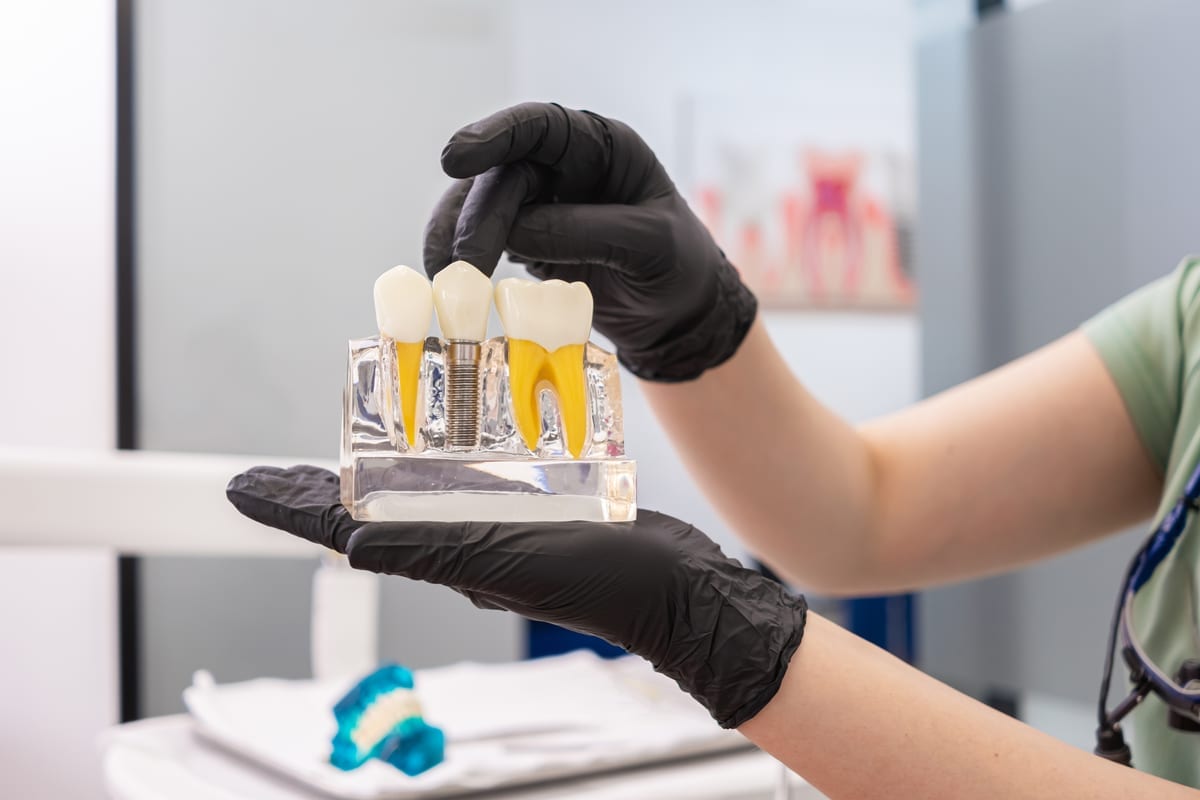
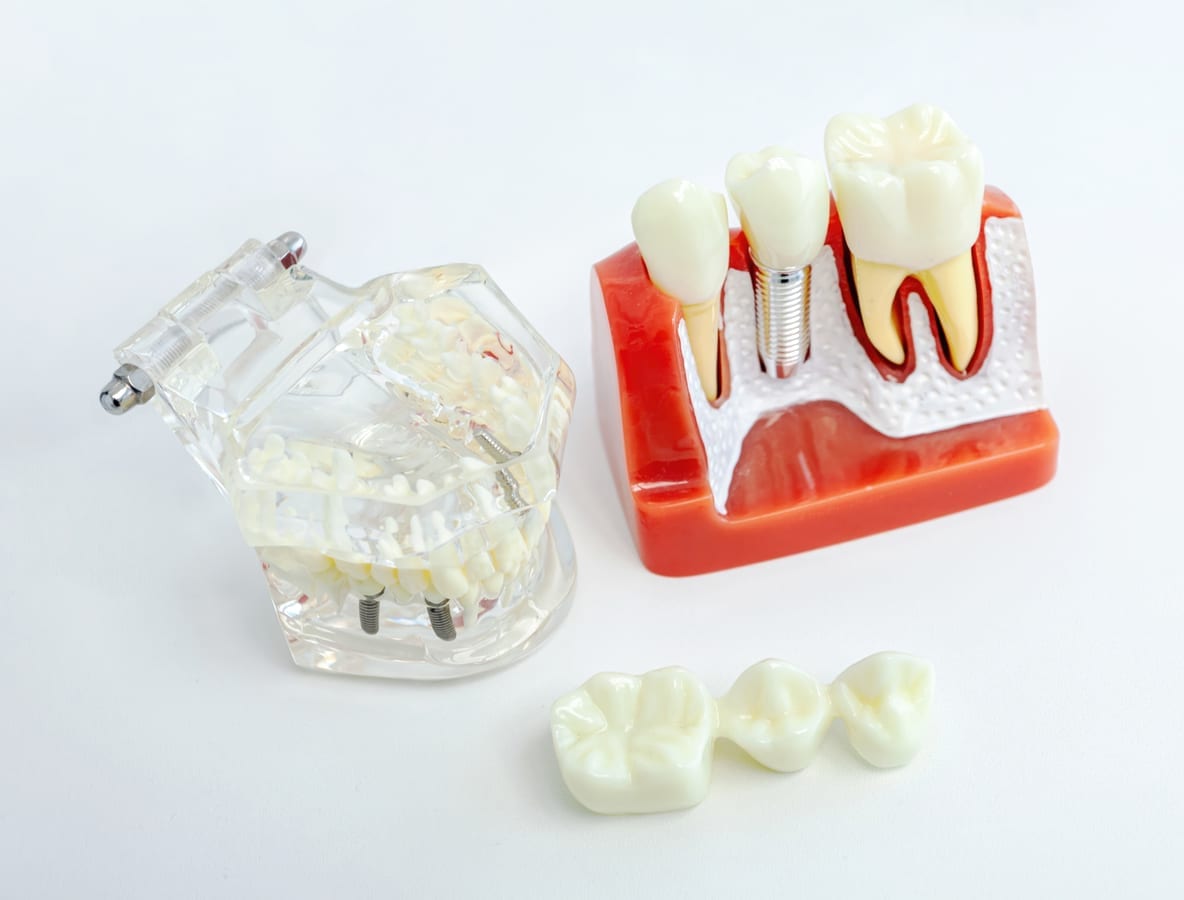
If your tooth decay has already progressed and sealants are no longer an option, Dr. Shah can discuss restorative solutions. Dental Implants Lenexa are one option for patients dealing with more significant tooth loss or damage.
Building a Home Care Routine That Actually Works
The goal is consistency. A great brushing technique used irregularly produces worse results than a good technique used every day. Commit to brushing twice daily — morning and night — with the approach described above.
Replace your toothbrush every three months. Worn bristles lose their ability to clean effectively. They can also become abrasive against sealant surfaces as they fray.
Consider your diet as part of your sealant care routine. Sticky, sugary foods cling to sealant surfaces and accelerate bacterial growth. Crunchy, hard foods can physically stress sealant material. Drink plenty of water throughout the day to flush food particles and maintain saliva flow.
Schedule professional cleanings and checkups every six months. A cleaning removes calculus that home brushing cannot address. Regular checkups give Dr. Shah the chance to catch any sealant wear early and keep your teeth protected.
Your sealants are an investment in your long-term dental health. Protecting them starts at home, with every brush stroke you take. Book Now to schedule your appointment with our team.
Frequently Asked Questions
How long do dental sealants typically last?
Dental sealants can last anywhere from five to ten years with proper care. Regular checkups help Dr. Shah monitor their condition. Good brushing technique at home is the most important factor in extending their lifespan.
Can adults get dental sealants, or are they only for children?
Adults can absolutely benefit from dental sealants. While they are commonly applied to children’s permanent molars, adults with deep grooves and decay-free back teeth are strong candidates. Dr. Shah can assess whether sealants are right for you at your next visit.
Does brushing technique really make a difference for sealants specifically?
Yes, significantly. Hard-bristled brushes and aggressive horizontal scrubbing are among the leading causes of premature sealant wear. Switching to a gentle circular technique with a soft brush can meaningfully extend how long your sealants stay intact and effective.
What toothpaste is best to use with dental sealants?
A standard fluoride toothpaste is ideal. Avoid highly abrasive whitening toothpastes, as these can gradually wear down sealant material. If you’re unsure which product to use, Dr. Shah can make a personalized recommendation based on your specific needs.
How do I know if my sealant has been damaged?
Common signs include tooth sensitivity, a rough texture on the sealed surface, visible discoloration, or discomfort when biting. If you notice any of these symptoms between visits, contact Petal Dental promptly so Dr. Shah can evaluate the sealant and address any issues before decay develops.