Overland Park: 913-444-9365

If your dentist has ever recommended a deep cleaning instead of your usual routine cleaning, you may have felt confused or even a little concerned. Many patients in Overland Park, KS ask why this recommendation happens. Understanding why your dentist might recommend deep cleaning over regular cleaning in Overland Park can help you make informed decisions about your oral health. At Petal Dental, Dr. Yashoni Shah takes time to explain every recommendation clearly and compassionately.
What Is a Regular Dental Cleaning?
A regular dental cleaning, also called prophylaxis, is a preventive procedure. It removes plaque and tartar buildup from the surfaces of your teeth and along the gumline. Most patients who maintain consistent dental visits and good home care qualify for this type of cleaning.
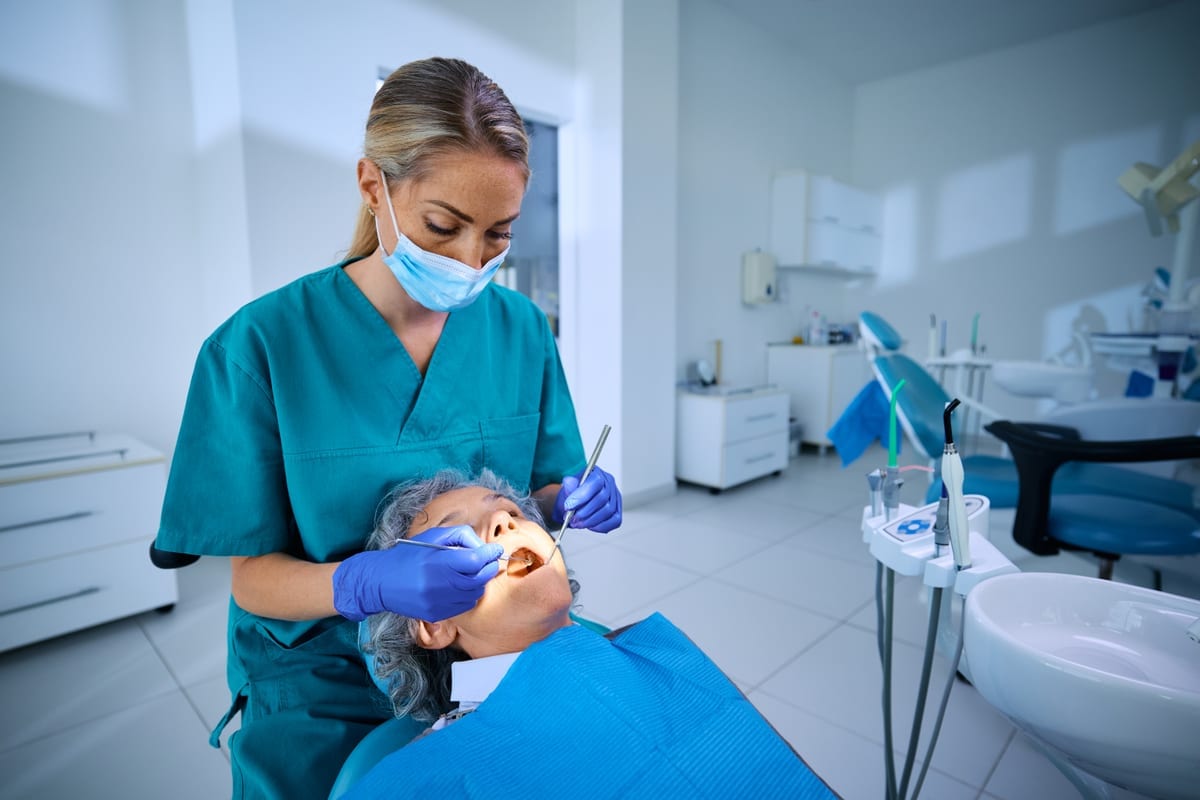
During a routine cleaning, your dental hygienist uses specialized tools to scale away surface-level deposits. They also polish your teeth and floss between them. This appointment typically takes between 45 minutes and an hour.
Regular cleanings are recommended every six months for most healthy adults. They help prevent cavities, gum disease, and other oral health problems before they start. Think of them as maintenance for a healthy smile.
What Is a Deep Cleaning and Why Is It Different?
A deep cleaning — clinically known as scaling and root planing — goes well beyond a routine cleaning. It targets bacteria, tartar, and toxins that have settled below the gumline. This procedure is a treatment for an existing condition, not a prevention tool.
When gum disease progresses, pockets form between your teeth and gums. These pockets trap bacteria that a regular cleaning cannot reach. Deep cleaning removes that buildup from the root surfaces and smooths them to discourage future bacterial attachment.
The process is typically done in two appointments — one side of the mouth at a time. Local anesthesia keeps you comfortable throughout. Most patients experience some sensitivity for a few days afterward, but this fades quickly.
Here is what the deep cleaning process generally involves:
- Scaling: Removing tartar and plaque from below the gumline
- Root planing: Smoothing rough root surfaces to help gums reattach
- Antibiotic therapy: Sometimes applied directly into the pockets
- Follow-up evaluation: A reassessment appointment 4–6 weeks later
Why Your Dentist in Overland Park Might Recommend Deep Cleaning Over Regular
The main reason Dr. Shah might recommend deep cleaning over a regular cleaning is the presence of gum disease, also called periodontal disease. This condition affects the tissues and bone that support your teeth. It cannot be reversed with a standard prophylaxis appointment.
During your checkup, your hygienist measures the depth of your gum pockets using a small probe. Healthy pockets measure 1–3 millimeters. Pockets measuring 4 millimeters or deeper often indicate that gum disease has taken hold. This is when a deep cleaning becomes necessary.
Other clinical signs that may prompt this recommendation include:
- Visible tartar buildup below the gumline on digital X-rays
- Gums that bleed consistently when probed
- Gum recession or gums pulling away from teeth
- Bone loss visible on X-ray imaging
- Persistent bad breath that does not improve with brushing
Dr. Shah never recommends deep cleaning without a clinical reason. If she suggests this treatment, it means your gum health requires more than routine maintenance to improve.
Is Deep Cleaning Painful? What Overland Park Patients Should Expect
This is one of the most common questions patients ask at Petal Dental. The honest answer is that modern deep cleaning is much more comfortable than most people expect. Local anesthesia numbs the area completely before treatment begins.
You may feel pressure or vibration during the procedure, but you should not feel sharp pain. After the anesthesia wears off, some tenderness and sensitivity are normal. Over-the-counter pain relief and a soft diet for a day or two usually manage any discomfort effectively.
Most patients are surprised at how straightforward the experience feels. Dr. Shah and her team prioritize your comfort at every step. Do not let fear of discomfort delay treatment that your gum health needs.
What Happens If You Skip a Recommended Deep Cleaning?
Gum disease does not resolve on its own. Without proper treatment, it progresses from mild gingivitis to more serious periodontitis. Advanced periodontitis can destroy the bone and connective tissue that hold your teeth in place.
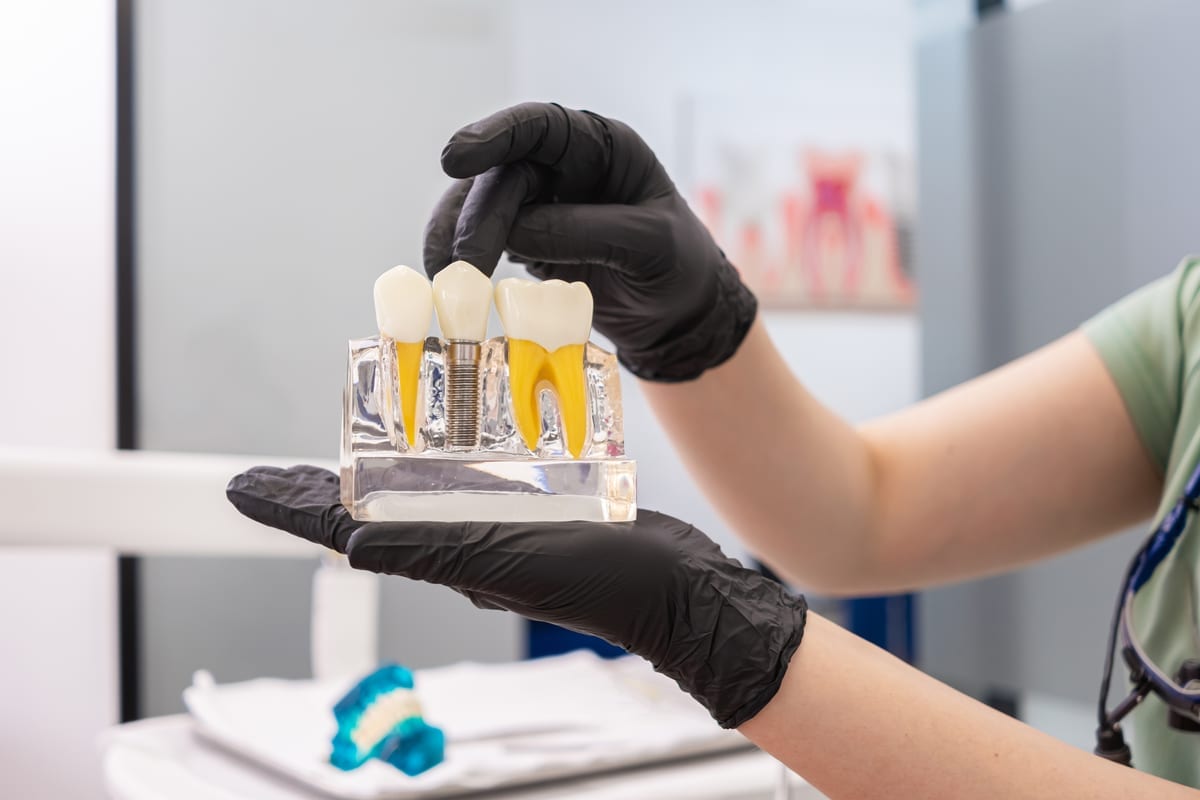
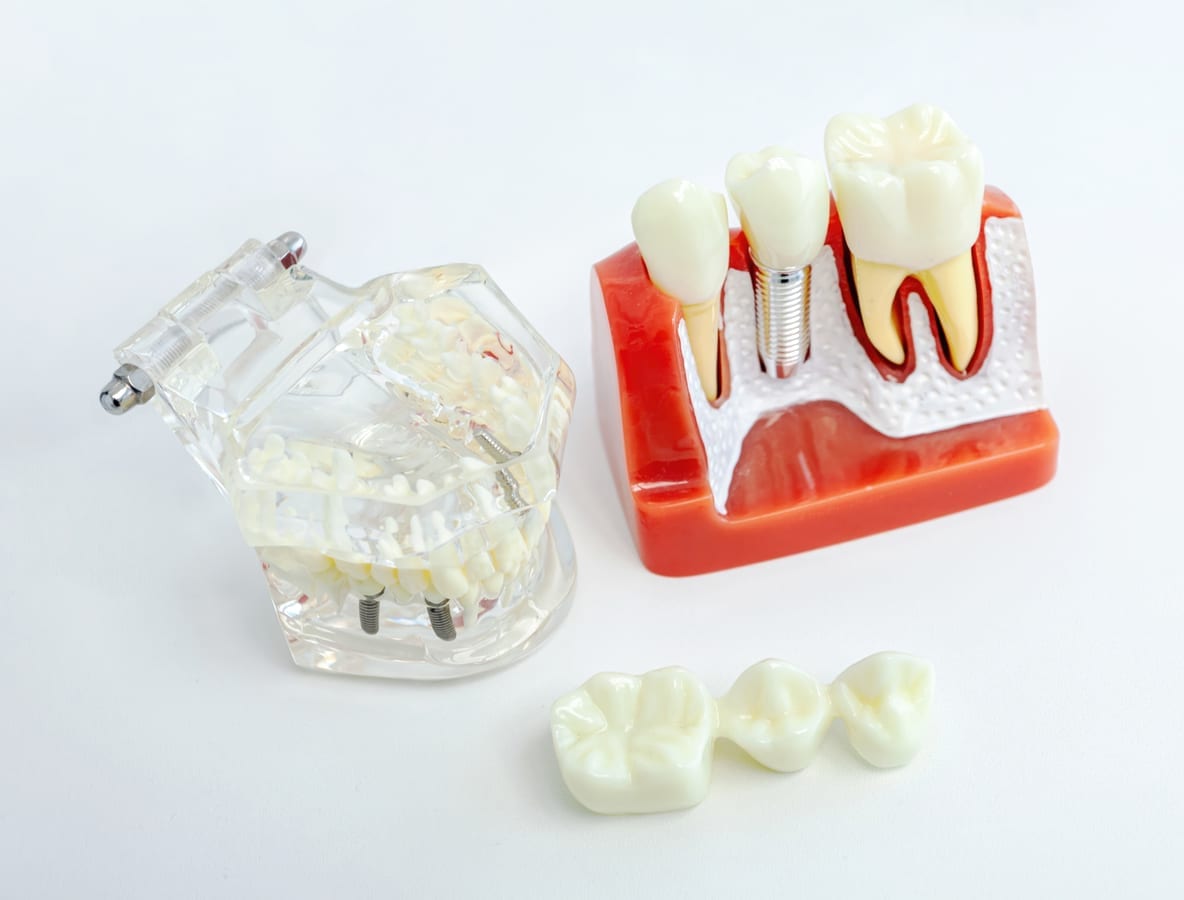
Tooth loss is one of the most serious outcomes of untreated gum disease. Losing a tooth creates its own set of challenges — shifting teeth, bone loss, and changes in your bite. Replacing missing teeth with Dental Implants Overland Park is an excellent long-term solution, but prevention is always the better path.
Research also links periodontal disease to broader health concerns. These include increased risk of heart disease, diabetes complications, and respiratory conditions. Treating gum disease protects more than just your smile.
Delaying treatment can also make the condition harder to manage. What a deep cleaning can address today may require surgical intervention later. Acting promptly when your dentist recommends this treatment is always the wisest choice.
Deep Cleaning vs. Regular Cleaning: A Quick Comparison
It helps to see the key differences side by side. Here is a simple breakdown to clarify what sets these two procedures apart:
- Purpose: Regular cleaning is preventive; deep cleaning is therapeutic
- Target area: Regular cleaning addresses above the gumline; deep cleaning goes below it
- Who needs it: Healthy patients get regular cleanings; patients with gum disease need deep cleaning
- Frequency: Regular cleanings happen every 6 months; deep cleaning is done once, then followed by maintenance visits
- Anesthesia: Regular cleanings rarely need it; deep cleanings typically use local anesthesia
Understanding these distinctions helps you see that a deep cleaning recommendation is not something to fear. It is a targeted, evidence-based treatment designed to restore your gum health.
How Petal Dental Supports Your Gum Health in Overland Park
At Petal Dental, preventive care is the foundation of everything Dr. Shah does. Regular checkups, digital X-rays, and thorough oral cancer screenings help catch problems early. When early signs of gum disease appear, addressing them promptly can prevent the need for more complex care.
After a deep cleaning, most patients move to a periodontal maintenance schedule — typically every three to four months. This ongoing care keeps bacteria levels under control and monitors your gum health closely. Dr. Shah works with each patient to build a personalized care plan that fits their specific needs.
If a dental emergency ever arises alongside your gum concerns, our team also provides Emergency Dentistry Overland Park services to address urgent situations quickly and effectively.
Your oral health journey is unique. Petal Dental is here to guide you with honest, compassionate recommendations every step of the way. Book Now to schedule your appointment with our team.
Frequently Asked Questions
How do I know if I need a deep cleaning or a regular cleaning?
Your dentist or hygienist will measure your gum pocket depths during your checkup. Pockets deeper than 3 millimeters, combined with signs like bleeding gums or bone loss on X-rays, typically indicate that a deep cleaning is necessary. Only a clinical evaluation can make this determination accurately.
How long does a deep cleaning take at Petal Dental?
Deep cleanings are usually completed over two appointments. Each appointment treats one half of the mouth and takes approximately 60 to 90 minutes. This approach allows the local anesthesia to be manageable and gives your mouth time to begin healing between visits.
Will my gums go back to normal after a deep cleaning?
Many patients see significant improvement after a deep cleaning. Gum tissue can tighten and reattach to root surfaces once bacteria and irritants are removed. However, maintaining that improvement requires consistent home care and regular periodontal maintenance visits with your dental team.
Is a deep cleaning the same as a regular cleaning, just more thorough?
No — they are clinically different procedures with different goals. A regular cleaning maintains healthy gums by removing surface-level buildup. A deep cleaning treats active gum disease by removing bacteria and tartar from below the gumline and smoothing root surfaces. They are not interchangeable.
How often will I need deep cleanings in the future?
Most patients only need one course of deep cleaning if they follow through with periodontal maintenance afterward. These follow-up visits every three to four months help keep gum disease from returning. Your dentist will monitor your progress and adjust your care schedule based on how your gums respond.