Overland Park: 913-444-9365
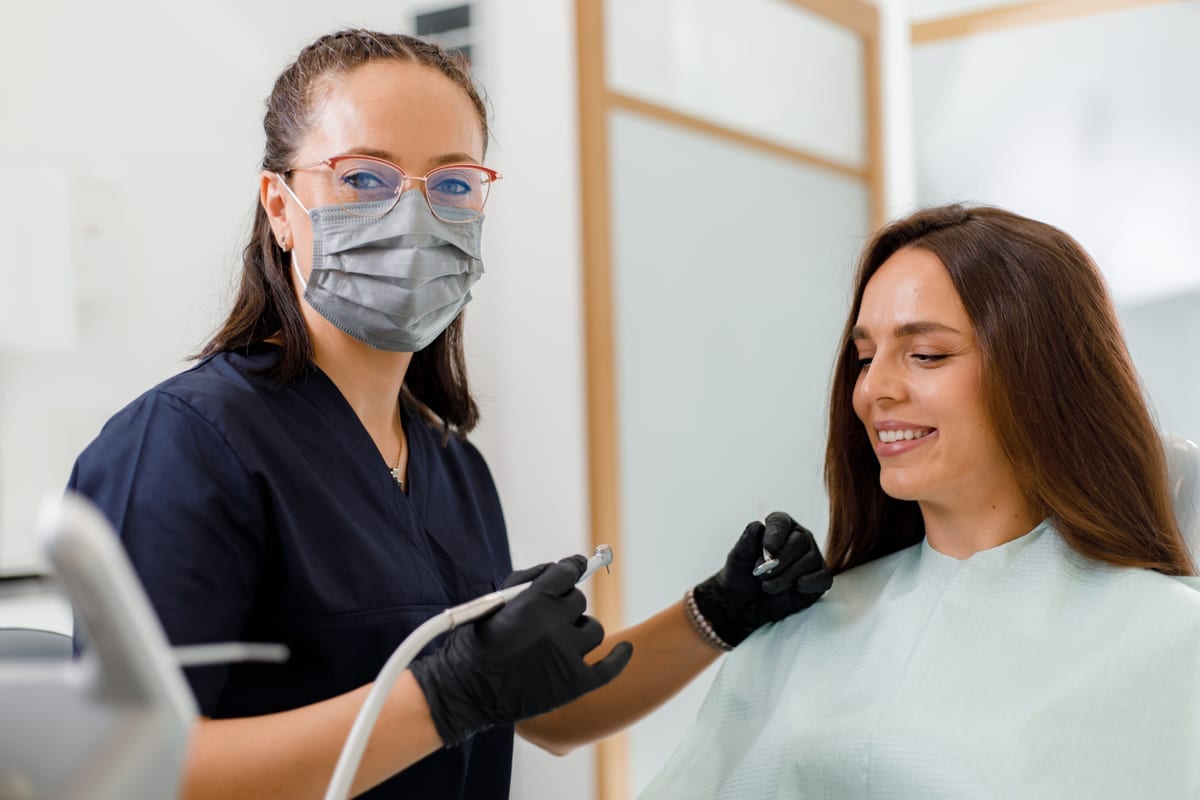
Most patients leave their fluoride treatment feeling great about their dental visit. But here’s something Dr. Yashoni Shah sees regularly at Petal Dental in Overland Park — those same patients unknowingly wash away the benefits before they even get home. Understanding why your brushing technique might undo your fluoride treatment in Overland Park can make a real difference in your long-term oral health. Small habits, repeated daily, either protect or quietly damage your teeth.
What Fluoride Actually Does — And What Can Disrupt It
Fluoride works by bonding to your tooth enamel. It strengthens the surface and helps reverse early-stage mineral loss. But that bonding process takes time after your treatment is applied.
When you brush too aggressively right after a fluoride treatment, you risk scrubbing the fluoride away before it has fully absorbed. The same is true for rinsing with water immediately afterward. Your dentist likely told you not to eat or drink for 30 minutes — this is exactly why.
Fluoride also needs a clean surface to work well. If plaque sits on your teeth, fluoride cannot penetrate enamel as effectively. That means your brushing habits before your appointment matter just as much as what you do after.
The Most Common Brushing Mistakes Dentists See in Overland Park
At Petal Dental, our team reviews brushing technique with patients every single day. The same mistakes come up repeatedly. Recognizing them is the first step toward fixing them.
Here are the most frequent brushing errors we see:
- Brushing too hard: Aggressive scrubbing damages enamel and irritates gum tissue over time.
- Using a stiff-bristled brush: Hard bristles wear down enamel faster than soft ones do.
- Brushing immediately after acidic foods: Acid softens enamel temporarily — brushing right away accelerates erosion.
- Not brushing long enough: Two minutes is the minimum. Most people brush for less than 45 seconds.
- Skipping the gumline: Plaque builds up at the base of teeth, not just on the visible surface.
- Rinsing with water right after brushing: This dilutes fluoride from your toothpaste before it can absorb.
Each of these habits works against the protective benefits fluoride is designed to deliver. Correcting even two or three of them makes a measurable difference.
Timing and Technique — Why Both Matter for Fluoride Absorption
Fluoride in toothpaste and in-office fluoride treatments both depend on contact time. The longer fluoride stays in contact with your enamel, the more effective it becomes. Your brushing habits directly control that contact time.
Use a soft-bristled toothbrush and angle it at 45 degrees toward your gumline. Move in small, circular strokes rather than long back-and-forth sweeps. Apply gentle pressure — your bristles should barely bend.
After brushing, spit out the toothpaste but do not rinse with water. This is one of the simplest changes you can make. Skipping that final rinse keeps fluoride working on your enamel for a longer period.
After a professional fluoride treatment at our Overland Park office, wait at least 30 minutes before eating or drinking. Avoid hot beverages and sticky foods for the first few hours if possible. These steps let the treatment bond properly to your enamel surface.
Flossing Technique — The Step Most People Rush or Skip
Flossing is not optional — it cleans roughly 35 percent of each tooth surface that your brush cannot reach. But poor flossing technique causes more harm than most patients realize.
Snapping floss down hard against your gums is one of the most common mistakes. It can cut gum tissue and lead to chronic inflammation. Instead, slide the floss gently between teeth using a zigzag motion.
Once between teeth, curve the floss into a C-shape around each tooth. Slide it gently up and down along the tooth surface and just below the gumline. Move to a clean section of floss for each tooth gap.
Here is a simple step-by-step flossing guide to follow at home:
- Use about 18 inches of floss. Wind most of it around your middle fingers.
- Hold a small section tightly between your thumbs and forefingers.
- Slide gently between teeth — never snap downward.
- Curve into a C-shape and move up and down along each tooth.
- Use a fresh section of floss as you move from tooth to tooth.
When plaque is properly removed through flossing, fluoride can reach more of your tooth surface. This directly improves the results of both in-office treatments and daily fluoride toothpaste.
Choosing the Right Tools — Brush, Floss, and Toothpaste
Your tool choices shape your outcomes just as much as your technique does. Not every toothbrush or toothpaste is equally effective for protecting enamel.
Always choose a soft-bristled toothbrush — medium or hard bristles can erode enamel with repeated use. Replace your toothbrush every three months, or sooner if the bristles are fraying. Worn bristles clean less effectively and increase the risk of gum irritation.
Use a fluoride toothpaste with at least 1,000 ppm fluoride. Check the label if you are unsure. For patients at higher cavity risk, Dr. Shah may recommend a prescription-strength fluoride toothpaste for home use.
Electric toothbrushes are worth considering. Studies consistently show they remove more plaque than manual brushes. They also make it easier to maintain gentle, consistent pressure without scrubbing too hard.
How Petal Dental Supports Your Home Care Routine in Overland Park
Preventive care does not end when you walk out of our office. At Petal Dental, we treat every appointment as an opportunity to strengthen your home routine — not just clean your teeth.
During your checkup, Dr. Shah and our team review your brushing and flossing habits. We use Dental Implants Overland Park consultations and general care visits alike as teaching moments. When patients understand the reasoning behind each recommendation, they follow through far more consistently.
We also offer digital X-rays, oral cancer screenings, and dental sealants to protect teeth from all angles. If a dental concern develops between appointments, our team is here to help — including for situations that require Emergency Dentistry Overland Park care. Prevention is always our first priority, but we are ready when unexpected issues arise.
A strong partnership between your home habits and your professional care routine is the most effective way to protect your smile long-term. Small adjustments in technique, timing, and tool choice add up over months and years.
Take the Next Step Toward Stronger Enamel
You invest time and trust in your dental visits. Your brushing and flossing routine should protect that investment — not quietly work against it. By adjusting your technique, giving fluoride time to absorb, and choosing the right tools, you get far more from every treatment. Our team at Petal Dental is ready to help you build habits that last. Book Now to schedule your appointment with our team.
Frequently Asked Questions
How long should I wait to brush after a professional fluoride treatment?
You should wait at least 30 minutes after a professional fluoride treatment before brushing or eating. This gives the fluoride time to absorb into your enamel. Dr. Shah will give you specific post-treatment instructions at your Petal Dental visit.
Is it really harmful to rinse with water after brushing?
Yes — rinsing with water immediately after brushing removes fluoride from your toothpaste before it fully absorbs. Spitting out excess toothpaste without rinsing keeps fluoride in contact with your enamel longer, which improves protection against cavities.
How do I know if I am brushing too hard?
Check your toothbrush bristles. If they fan out or flatten before three months are up, you are likely brushing too hard. You should also look for gum recession or tooth sensitivity near the gumline, which are common signs of aggressive brushing.
Can a bad brushing technique cause cavities even with fluoride treatments?
Yes. Fluoride strengthens enamel, but it cannot fully compensate for poor brushing habits. If you are not removing plaque effectively — or you are eroding enamel through aggressive brushing — cavities can still develop. Good technique and regular professional care work together.
How often should I get a professional fluoride treatment in Overland Park?
Most adults benefit from a professional fluoride treatment once or twice a year, typically during a routine checkup. Patients at higher risk for cavities may need more frequent applications. Dr. Yashoni Shah will recommend a schedule based on your individual oral health needs.